What a reference does and does not do
A reference track states preference: kick weight, vocal distance, synth space. It does not force the same loudness or arrangement—your multitracks lead.
Most Amsterdam listeners hear releases on Spotify and Apple Music; references you know from those platforms often beat an old CD master. Say what to borrow (vocal presence) and what to ignore (guitar layout). If a reference is heavily limited, mention that too—we level-match in the room before we chase its spectral shape.
How many references
Two or three tracks are enough: one close to your genre and tempo, one with a vocal or instrument you want to approach, optionally a ‘ceiling’ reference for brightness without harshness.
- Cap at three full songs—more blurs the brief
- No twenty-track playlists without timestamps
- For one section, note start time (mm:ss)
- Instrumentals are fine if you describe the focus
Vocals from our booth can target those references—see plan vocal overdubs if you still need passes before mixing.
Attended vs unattended
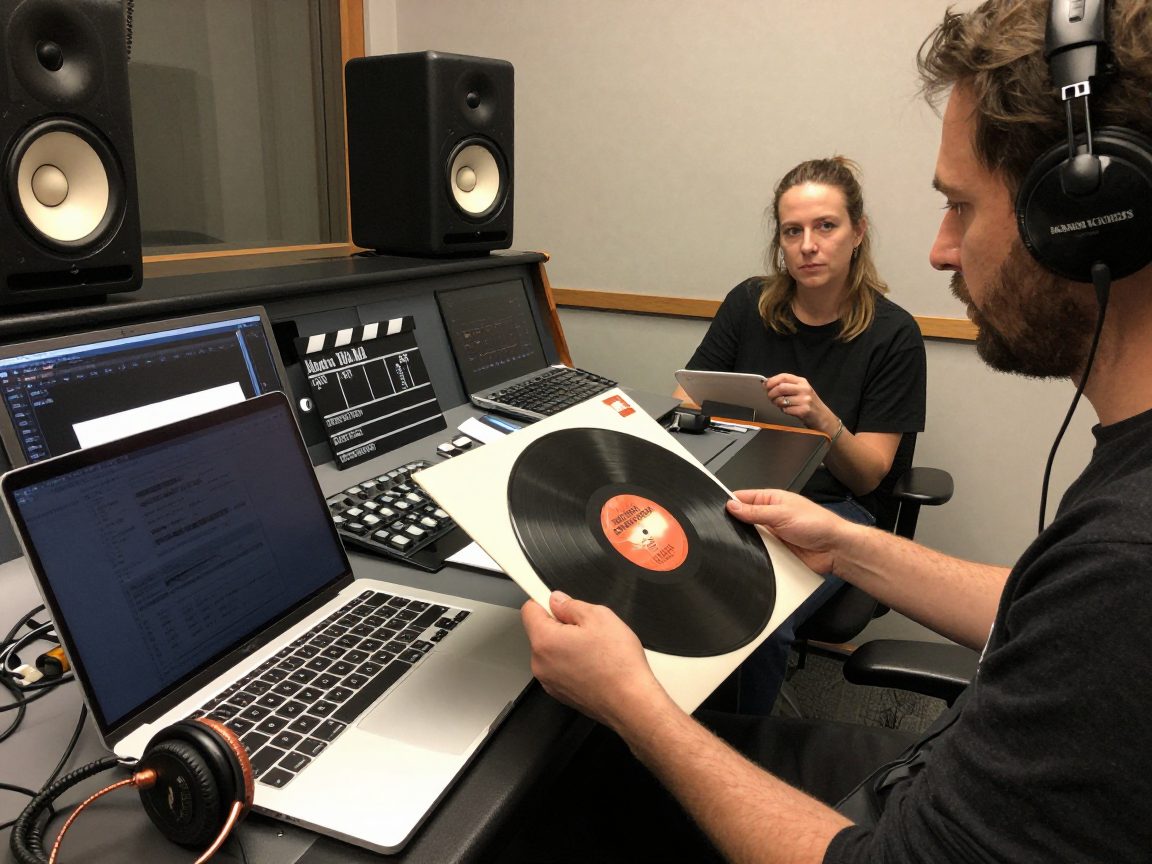
Attended means you sit in the studio and steer against references in real time. Unattended: you deliver stems or a session, we mix from your brief and send a first pass for review.
Both use the same per-track base (€195). EPs up to five tracks: €720; albums up to ten: €1,220. 2 revision rounds are included while the brief stays stable—limits in terms and conditions.
Briefing template
Send a short note with delivery. These fields keep email chains short.
- Goal
- Streaming single, club, radio, sync—pick one primary
- References
- Title + link or file + what to take from it
- Problem zones
- Masking, dry vocal, muddy low end
- Do not
- No heavy autotune, no tape on drums, etc.
- Deadline
- Release or mastering slot, with time zone
Planning loudness before mastering? Link stem files before mastering early.
Loudness and headroom
Streaming references are loudness-normalised—phone peak meters mislead. In studio we match tone and dynamics more than exact LUFS; mastering (€82 per track) sets the final step.
Deliver mixes with headroom (rule of thumb: peaks below -6 dBFS, no mix-bus limiter unless agreed). If you already limited, say so—we know reference level may lie.
File delivery
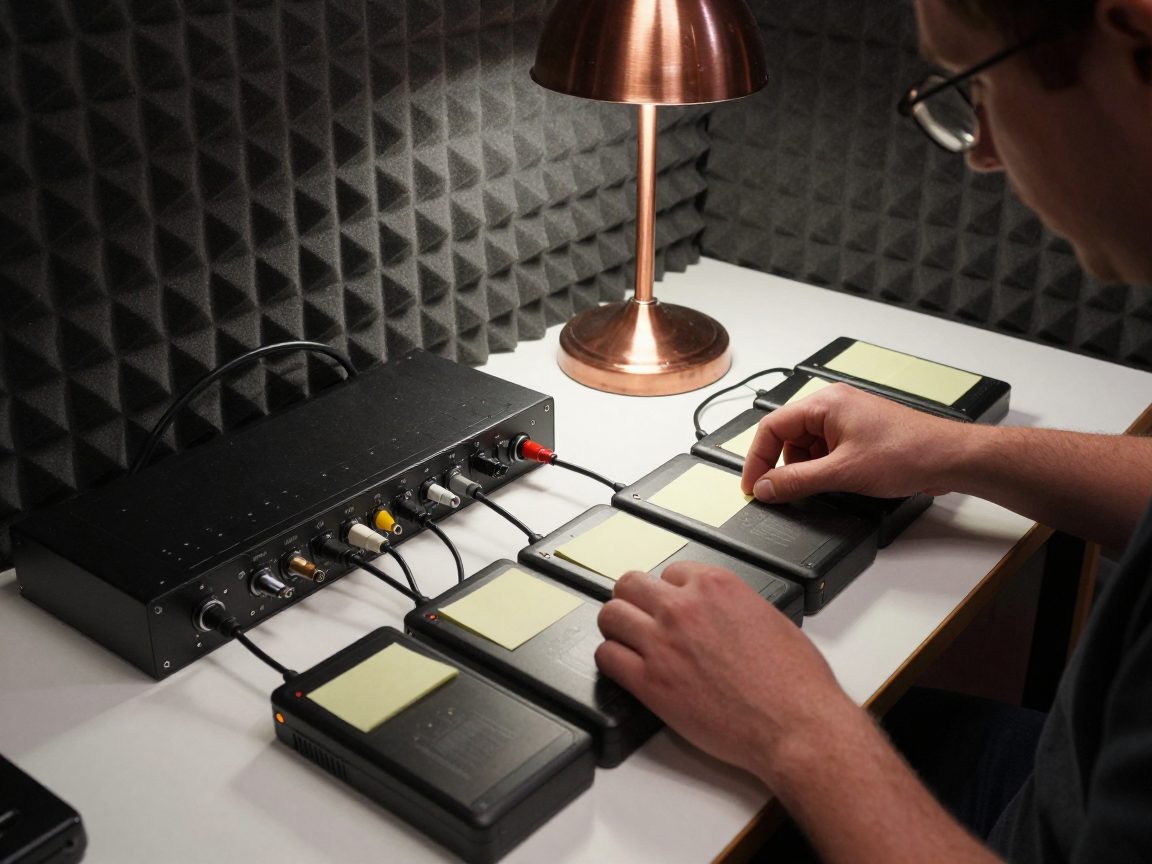
Preferred: multitrack or grouped stems, consistent sample rate and bit depth. Export from the same project you use for A-B in the DAW. Check mono compatibility on bass and kick for club intent.
We archive mix projects for 24 months. B2B payment within 14 days—note it in contact if relevant.
Listening in the room
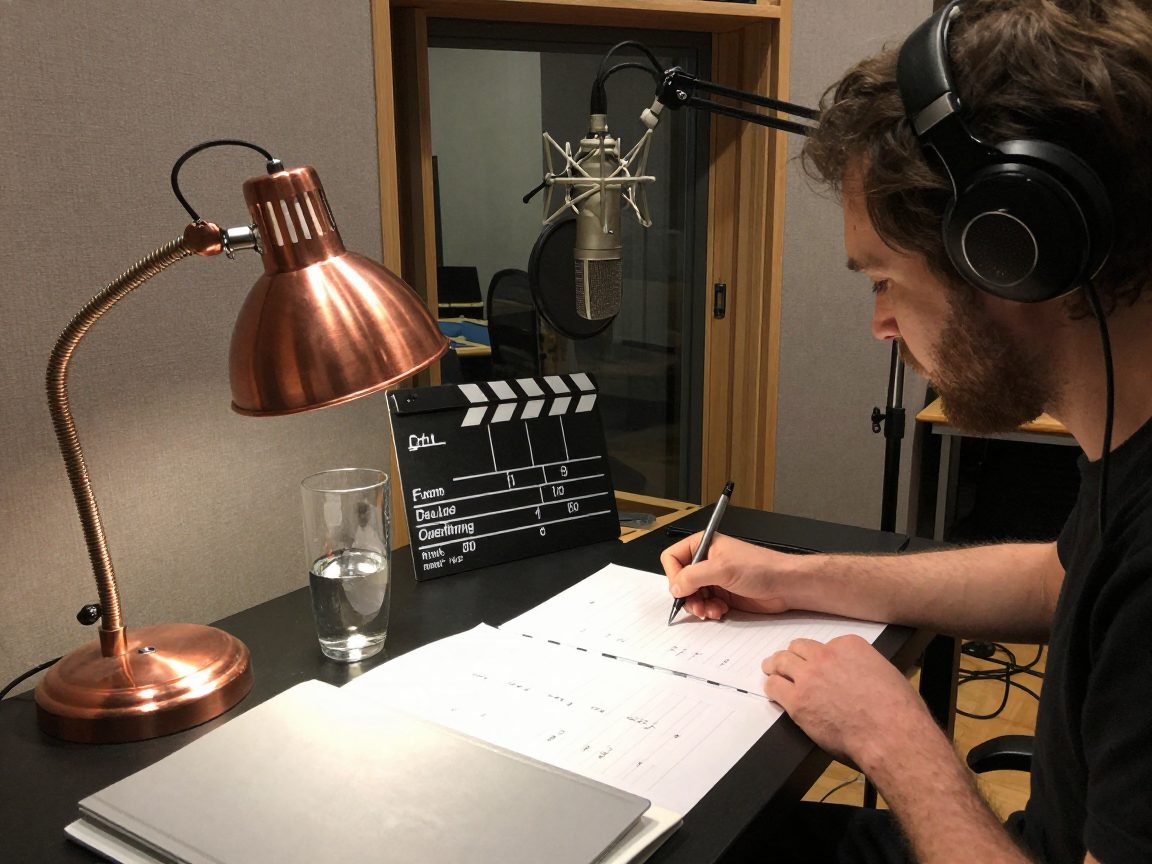
Across 3 rooms we A-B references on the same monitors as your mix, at conversation level then slightly louder—not only on earbuds. Mention if you always car-test; we can export a rough for the road.
After pass one: feedback with timestamps (mm:ss) and one change per bullet beats ‘make it warmer’ without context.
Summary
| Step | Action |
|---|---|
| Before | 2–3 references + what to borrow |
| Delivery | Stems/session + briefing template |
| Review | Timestamp notes within agreed window |
| Next | Mastering if needed |
Hours Tue–Fri 09:30–21, Sat 10–17; directions: We are at Haarlemmerweg 239, a short walk from the Haarlemmerweg stop (GVB bus 22 towards Indische Buurt). From Amsterdam Sloterdijk station, allow about twelve minutes on foot via Haarlemmerweg. On-street paid parking is available; you can park bicycles in front of the building. The studio entrance is at street level beside the wide front windows.. General questions: FAQ.